
So, admittedly I do already have a Chicken Parm-asagna post from years ago on here, and it’s real good. But I got a recent mailing from my supermarket that included a recipe for chicken parm stuffed shells, which sounded really good even when I ran headlong into the fact that the store doesn’t carry the jumbo pasta shells they call for in the recipe. They do, however, have lasagna noodles, so here we are! This version has panko spread on top, which I really liked on the first day when they were still crunchy! I prepared this as a make-ahead thing, so you can just take it out of the fridge, at the finishing touch, and chuck it in the oven for a quick dinner when you get home from work. The leftovers held up well to being chucked in tupperware and hauled around up to Michigan and back!
The recipe uses some pre-shredded chicken. I am a big supporter of throwing a bunch of chicken breasts in a crockpot on low for a work day, shredding it when I get home, and freezing 1-2 breasts-worth in their own tupperware for upcoming recipes. It turns out real handy for me!
Ingredients:
- 1 24 ounce jar spicy marinara sauce, divided
- 2 cups ricotta
- 1 1/2 cups Italian style blend shredded cheese, divided
- 1 1/2 cups shredded mozzarella, divided
- 1 cup cooked shredded chicken
- 1 1/2 teaspoons Italian seasoning
- 1/2 teaspoon salt
- 1/2 teaspoon pepper
- boiled lasagna noodles
- 1/2 cup panko bread crumbs
Grease a 9×13″ baking dish, then spread enough of the marinara into the dish to cover the bottom when you spread it around.
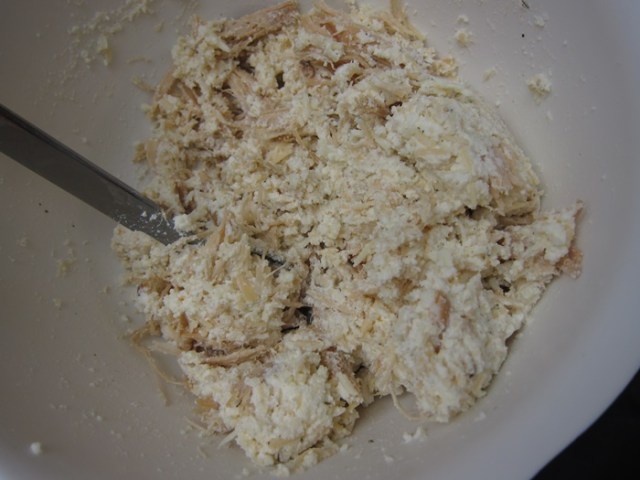
In a large bowl, stir together the ricotta, 1 cup of the Italian cheese, 1 cup mozzarella, the chicken, Italian seasoning, salt, and pepper.
 Spread a layer of lasagna noodles in the prepared dish. Top with half of the cheese/chicken mixture, then a layer of the pasta sauce.
 Add another layer of noodles, cheese, and sauce. Top with a final layer of noodles, some more sauce, and the remaining 1/2 cup each of the two shredded cheeses. Cover and throw in the fridge overnight.
When you’re about ready to eat, Sprinkle the panko over the top.
 Place in a cold oven. Turn on to 400, and bake for 30 minutes (starting the timer without waiting for the oven to preheat). Slice and serve.

Chicken Parmesan Lasagna
Adapted from some Kroger flier recipe.
- 1 24 ounce jar spicy marinara sauce, divided
- 2 cups ricotta
- 1 1/2 cups Italian style blend shredded cheese, divided
- 1 1/2 cups shredded mozzarella, divided
- 1 cup cooked shredded chicken
- 1 1/2 teaspoons Italian seasoning
- 1/2 teaspoon salt
- 1/2 teaspoon pepper
- boiled lasagna noodles
- 1/2 cup panko bread crumbs
Grease a 9×13″ baking dish, then spread enough of the marinara into the dish to cover the bottom when you spread it around.
In a large bowl, stir together the ricotta, 1 cup of the Italian cheese, 1 cup mozzarella, the chicken, Italian seasoning, salt, and pepper.
Spread a layer of lasagna noodles in the prepared dish. Top with half of the cheese/chicken mixture, then a layer of the pasta sauce. Add another layer of noodles, cheese, and sauce. Top with a final layer of noodles, some more sauce, and the remaining 1/2 cup each of the two shredded cheeses. Cover and throw in the fridge overnight.
When you’re about ready to eat, Sprinkle the panko over the top. Place in a cold oven. Turn on to 400, and bake for 30 minutes (starting the timer without waiting for the oven to preheat). Slice and serve.
 Ingredients:
 Bake 15-18 minutes, or until just set. (I only own 9 and 12 inch skillets and went with the bigger one to avoid the risk of the ingredients overflowing a smaller pan – if you have to do the same, just check your cornbread at or before the shortest end of the timeframe to avoid burning.)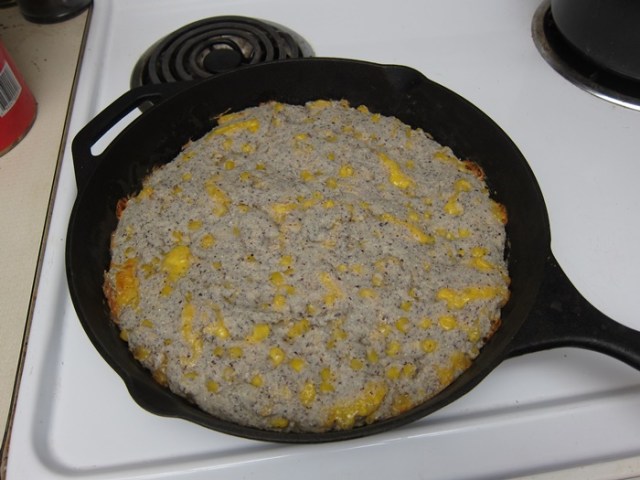
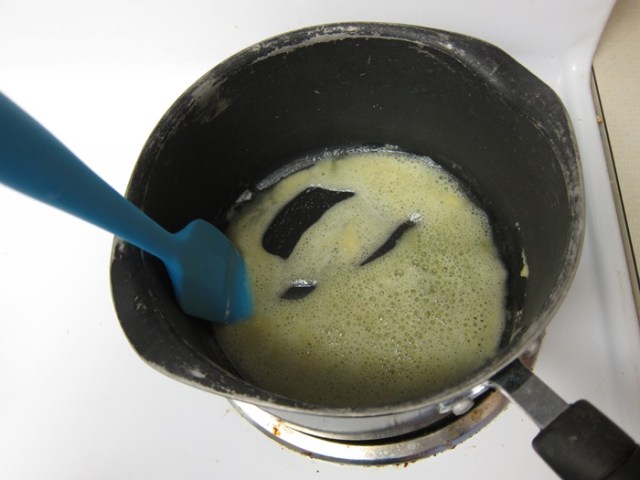 Add all the remaining ingredients for the sauce and stir together, then bring to a simmer.
 Reduce the heat to low and cook at least 5 more minutes, or until the cornbread is ready.
 While the sauce cooks, stir together the chicken, green chiles, the remaining corn, and 2 ounces of the cheese.
 Stir another cup of the sauce into the chicken mixture.
 Spread the chicken mixture over the cornbread.
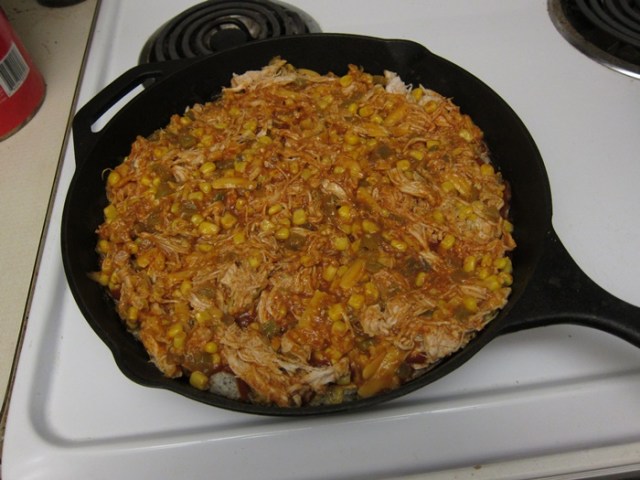 Pour all the remaining sauce on top, then sprinkle the remaining cheese on top.
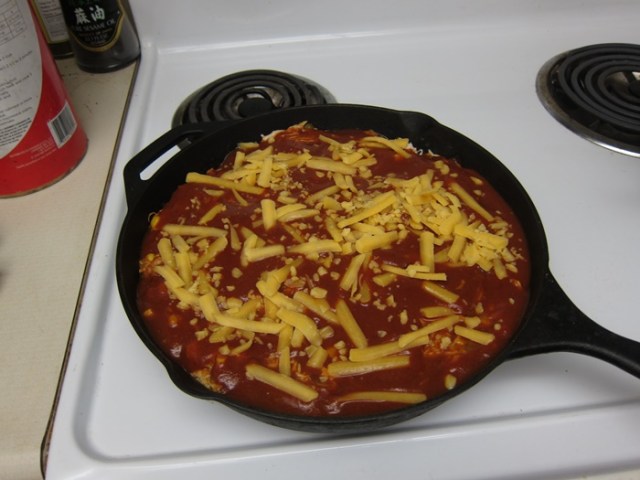 Bake 25-30 minutes, until golden and bubbly. Remove from the oven and top with green onions and cilantro, and serve with lime wedges for sprinkling.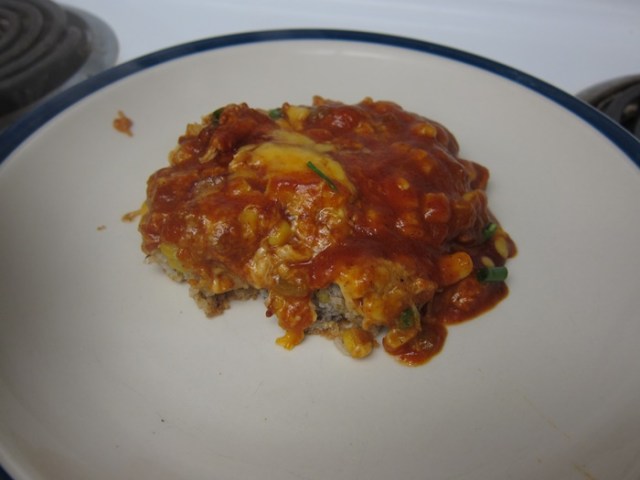
 Ingredients:
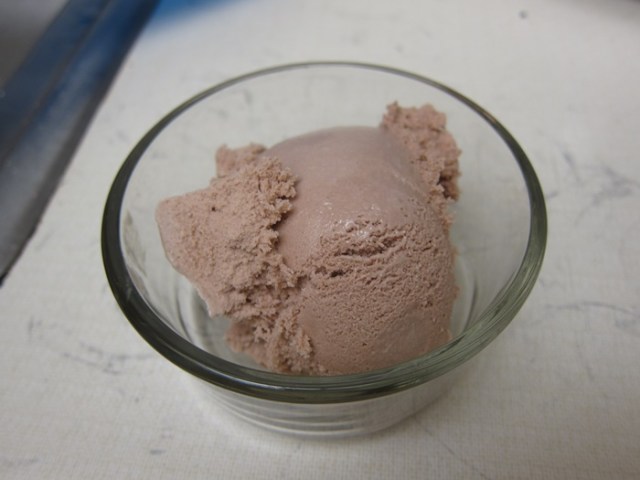
 Freeze according to your ice cream maker’s instructions.
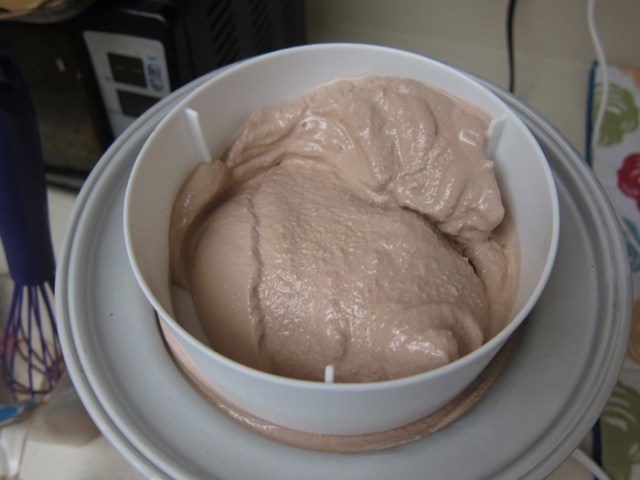 That’s it! Store in the freezer – it firms up some, but never gets as hard as ice cream.
 Filling:
 While the fruit bakes, combine the flour, sugars, baking powder, and salt of the topping in a large bowl and stir together. Blend in the butter with your fingertips or a pastry blender until the mixture resembles coarse meal.
 Stir in the water until just combined – this is enough water it’s not the dry pie crust texture I was sort of picturing.
 Set aside, then stir together the cinnamon sugar in a small dish.
 Bake until golden, 25-30 minutes.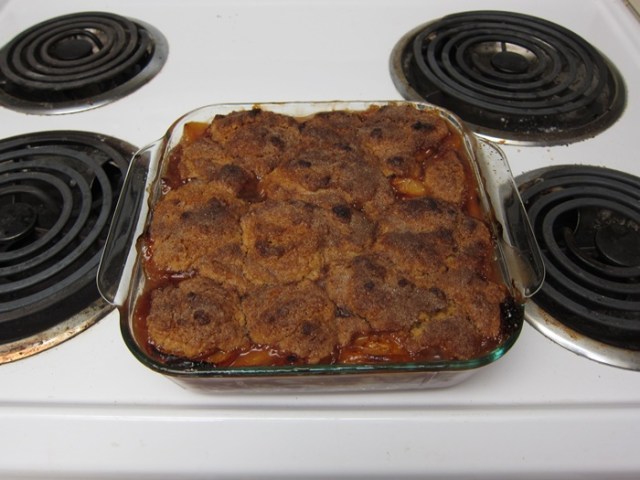
 Serve still warm, ideally with vanilla ice cream.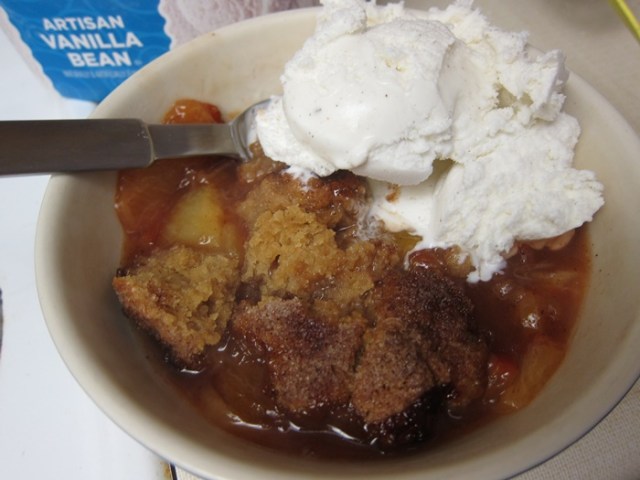
 Ingredients:
 Use a rubber spatula to gently fold 12 ounces of the whipped topping into the pudding until completely mixed.
 Arrange a single layer of graham crackers in the bottom of a 9×13″ pan.
 Repeat grahams, pudding, curd. Top with a final layer of graham crackers, then spread the remaining whipped topping evenly on top.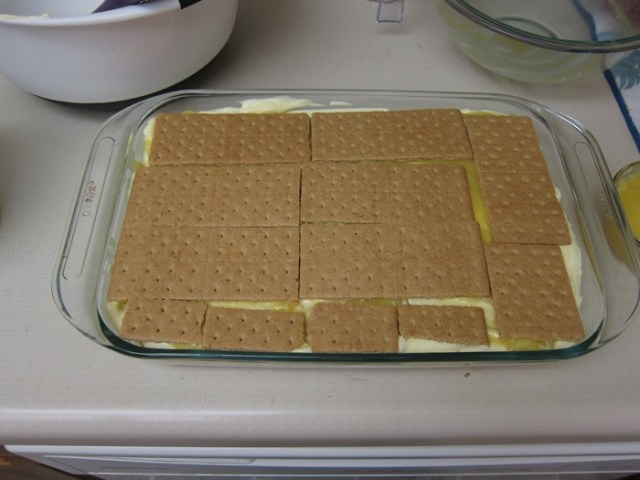
 Cover and refrigerate at least 8 hours before serving. The graham crackers will have become softened by the pudding, and will cut easily with a spatula/server. Top with berries, if desired, for serving.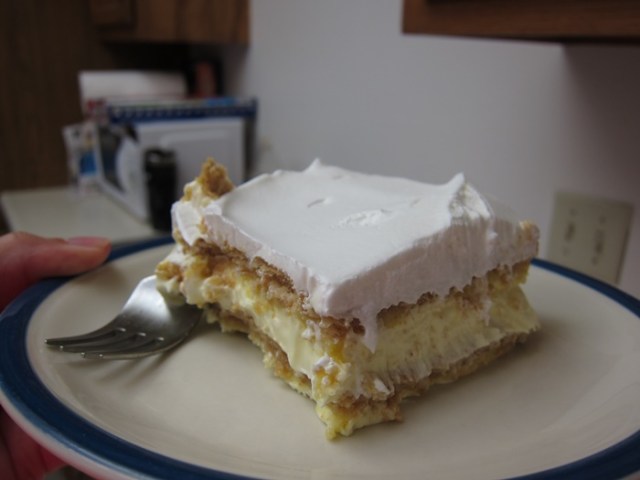
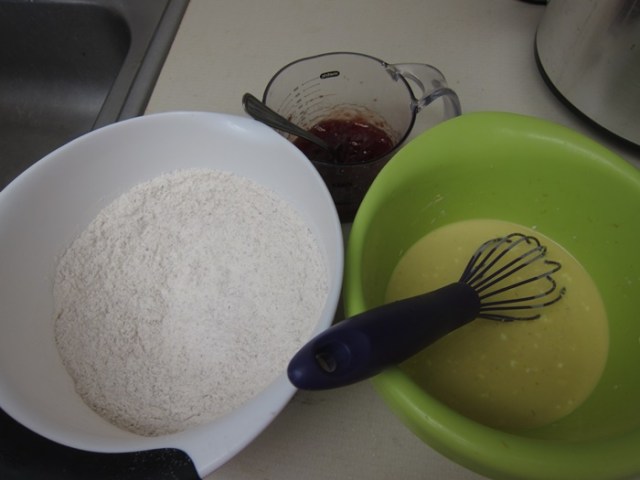 Add the dry goods to the wet and whisk gently.
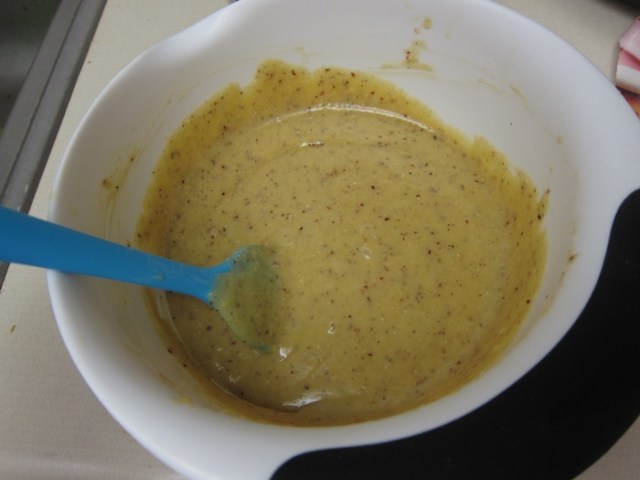 Gently turn the batter out into the prepared pan and spread evenly.
 Stir up the strawberry jam with a spoon so there are no huge chunks, then drop little dollops all over the batter. Swirl in using a knife or skewer.
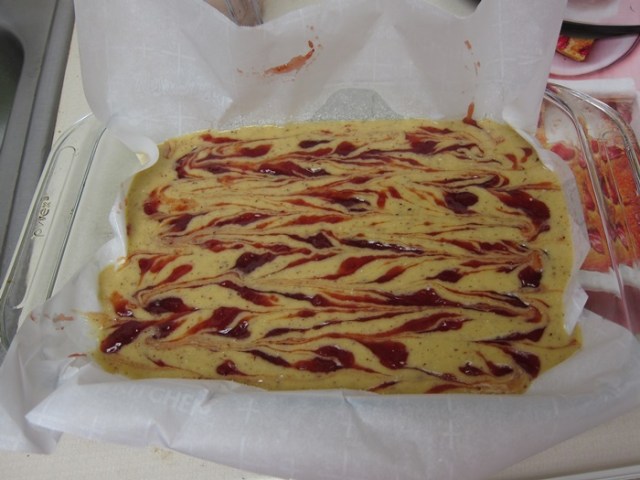 Arrange the strawberries on the top in rows, then sprinkle the remaining 2 tablespoons of sugar over the top.
 Bake 40-45 minutes, until the cake is golden brown and it passes the toothpick test. Cool in pan.

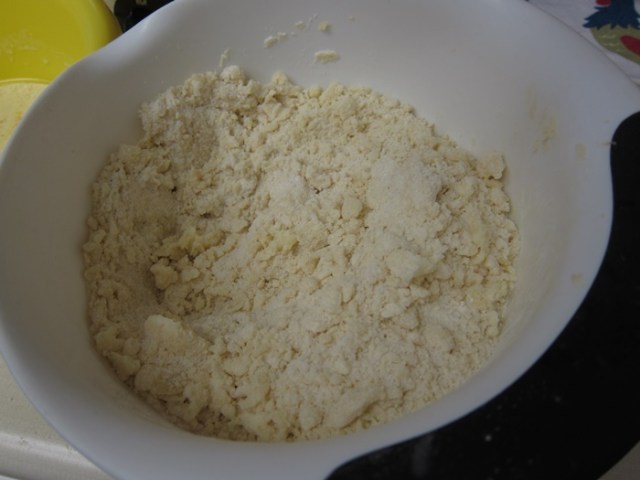
 Cut the room temperature butter into chunks and add to the dry goods mixture. beat together until the mixture becomes crumbly and resembles sand.
 Add half the liquid mixture and beat until just incorporated, then repeat with the remaining liquid.
 Pour into the prepared pan and bake 45 minutes, or until golden brown and a toothpick inserted in the center comes out with just a few moist crumbs. Set the baked cake, in the pan, on a rack to cool for 15 minutes while you make the glaze.

 Add the powdered sugar and stir. Sifting the powdered sugar first would definitely be a good idea!
 Let sit 15 minutes, then stir some more to hopefully mix in any lumps.
 Drain on paper towels, leaving the bacon grease in the pan behind. Cook the leeks over medium in the bacon grease until softened.
 Combine the bacon, leeks, cheese, and sage in a bowl and stir in the egg to evenly coat and set aside. You can do this earlier, if you need to fiddle with timing.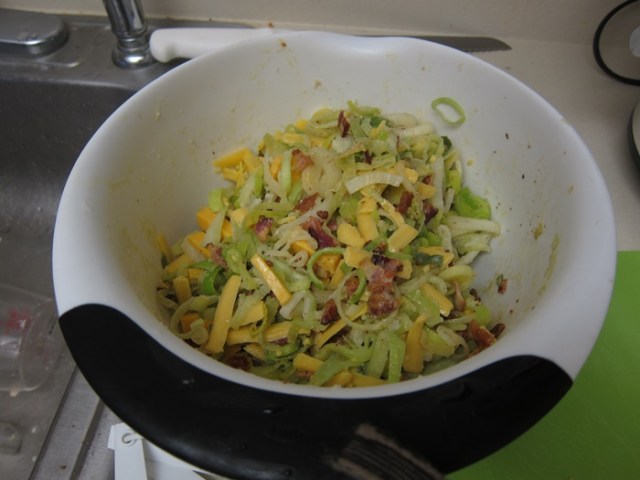
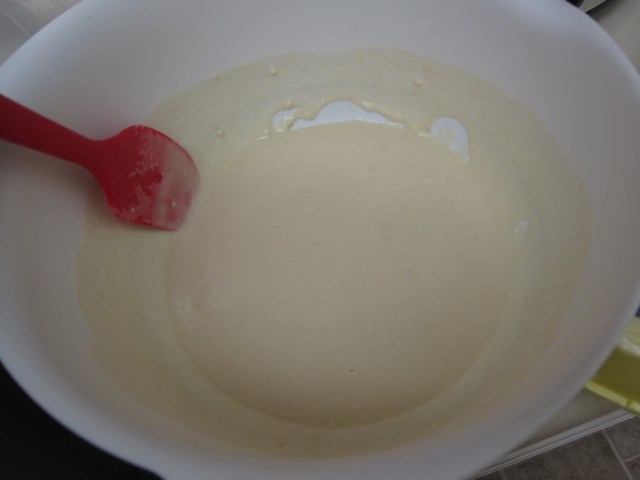 Add the egg and a second cup of flour, and stir another 2 minutes.
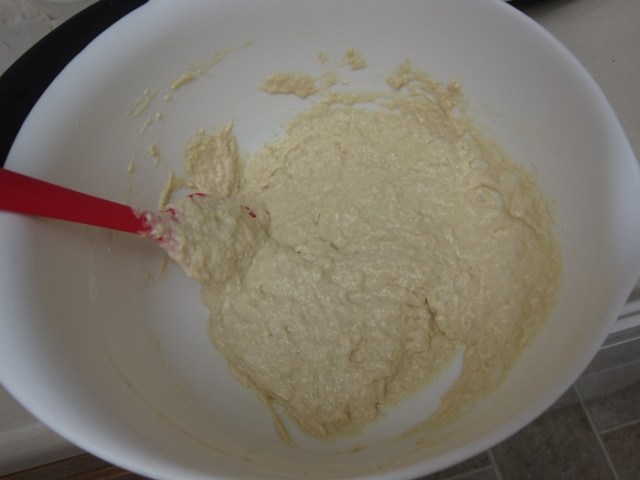 Stir in enough of the remaining flour to make a soft dough, beginning with 1 1/2 cups, up to 2 cups as necessary. Knead on a lightly floured surface until smooth and elastic, around 10 minutes.
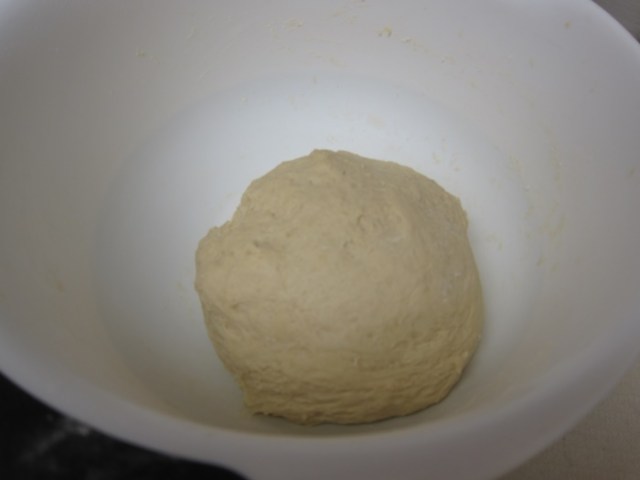 Cover, and let rest 10 minutes.
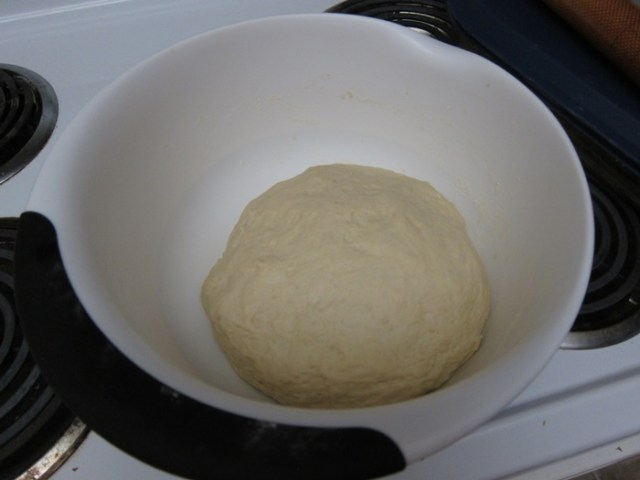 Divide the dough into 3 even portions and roll each out to a 16×4″ rectangle.
 Spoon the bacon mixture over each rectangle and pinch closed into 3 chunky ropes.
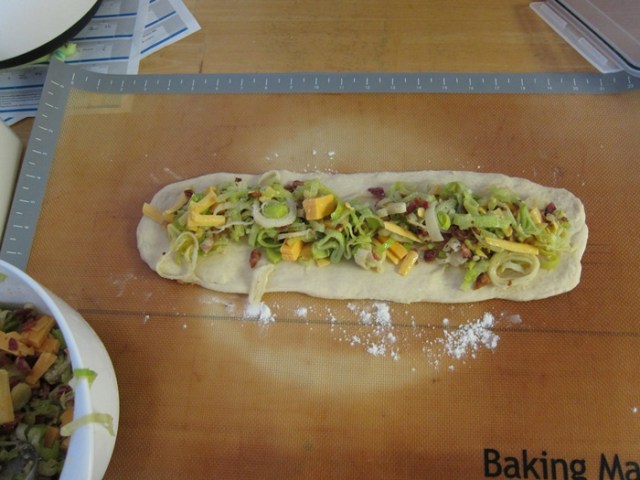 The dough sticks together pretty well, and there’s usually a bit of un-filled dough at the end you can tear off as needed to patch any places it splits. I had a little bit of filling left over – that’s ok!
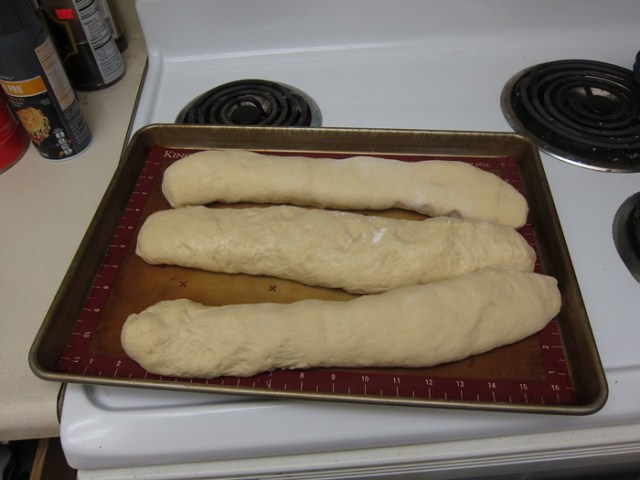 Place the ends of all 3 together, press together, and carefully braid to the far end, pressing that end together as well.
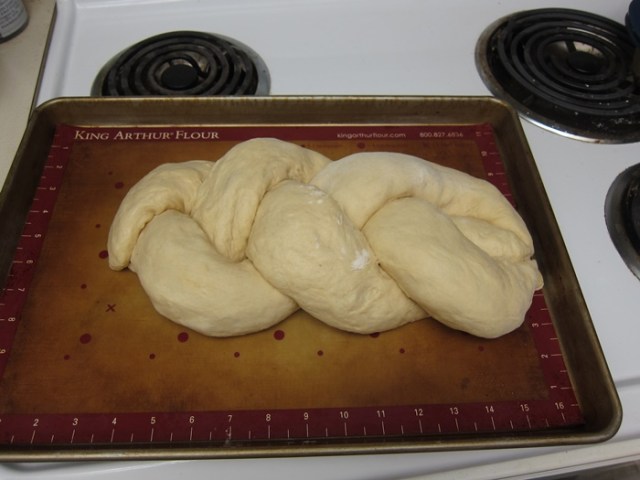 Lightly grease with spray grease and let rise until doubled, about an hour.
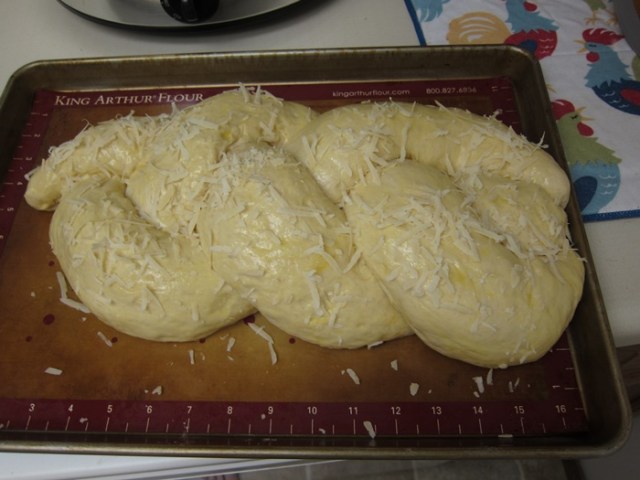 Bake for 30 minutes, or until browned.
 If you had any leftover filling, toss it in the oven halfway through, to cook for 15 minutes.
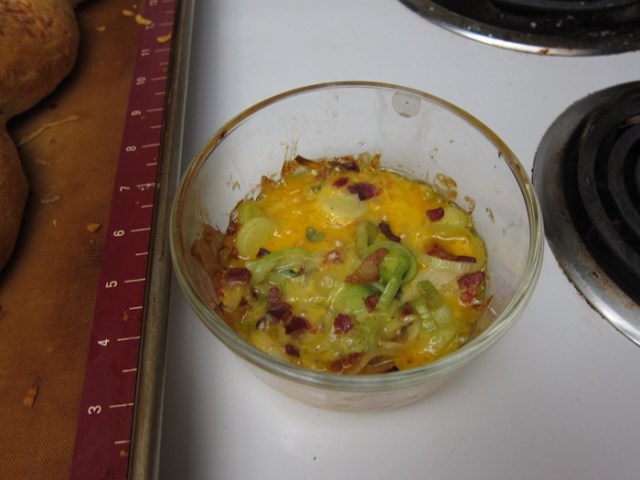 Slice and serve warm, but if you’re not eating it all right away, put uneaten parts on a cooling rack so that the bottom doesn’t get soggy from steam.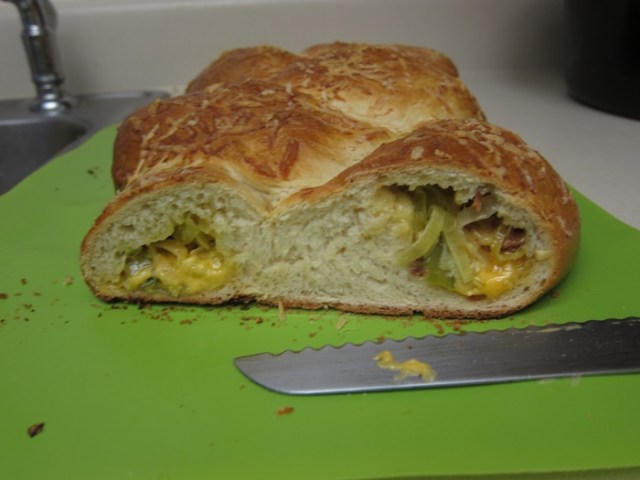
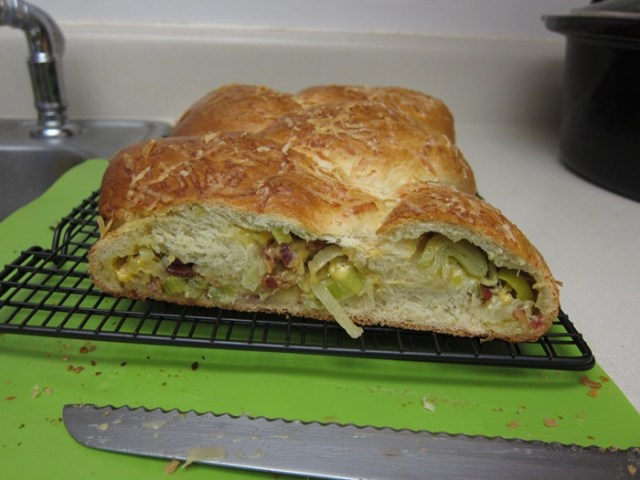 Store wrapped in the fridge, and toast back up in the toaster oven as needed.
 Ingredients:
 In a small bowl/ramekin, combine combine 2 tablespoons oil, 1 tablespoon sage, 1 tablespoon rosemary, and 2 teaspoons thyme; set aside. In another small bowl, stir together 4 teaspoons salt, and the pepper; set aside.
 Pat the chicken dry with paper towel and gently loosen the skin, by sticking your hand or an upside-down spoon under the skin and moving it around to detach the connective bits but without tearing up the skin. Rub the oil mixture both on and under the skin, all over the chicken. Sprinkle the salt mixture all over the top, under the skin, and in the cavity of the chicken. Tie the legs with kitchen twine. Place on a wire rack on a baking sheet and refrigerate overnight uncovered.
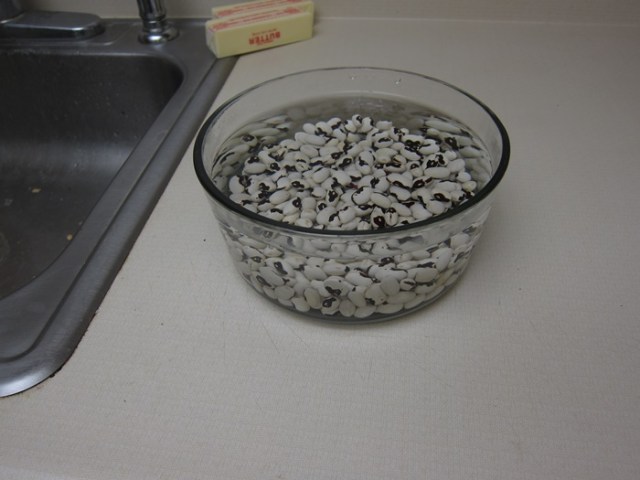
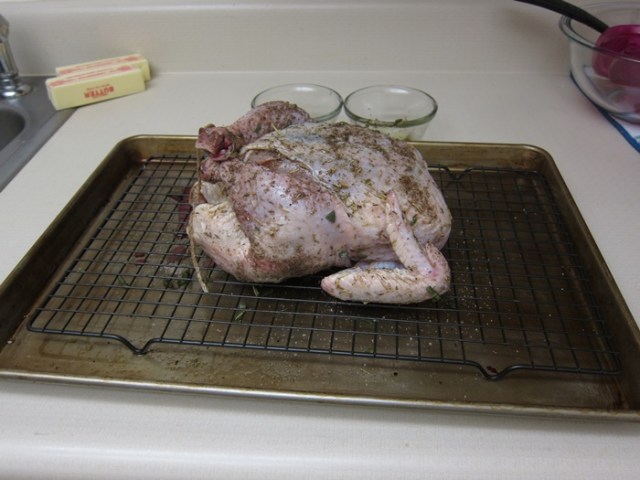 When ready to cook, take out the chicken and let stand at room temp. Drain the beans. In a small pan, heat the remaining tablespoon of oil. Cook the leek and minced garlic until softened, 3-4 minutes. (In as small a pan as I used, where it wasn’t all a single layer, it took several more minutes.)
 Transfer the cooked leeks to a crockpot. Add the drained beans, the broth, bay leaf, and remaining teaspoons of sage, rosemary, and thyme.
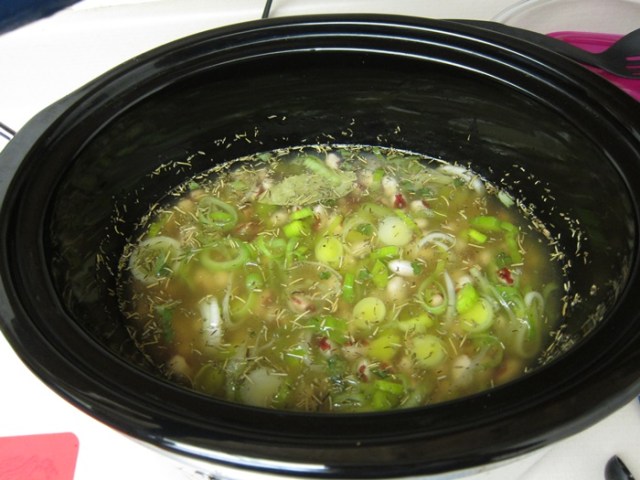 Stir everything together, then place the chicken on top. Place the two heads of garlic alongside the chicken, where they can be in the liquid too.
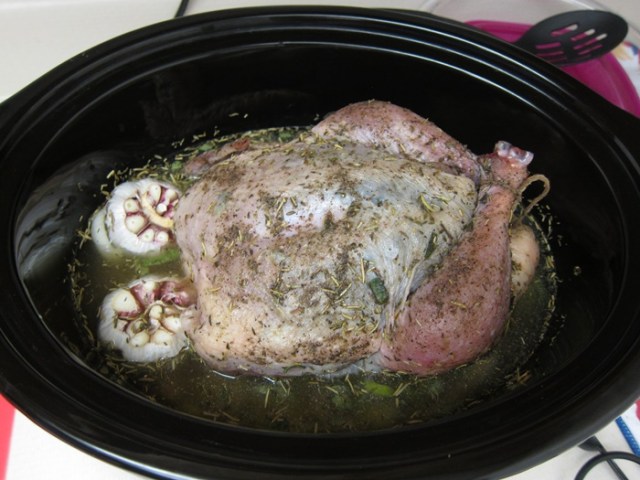 Cover, and turn on high heat. Cook for 4 hours.
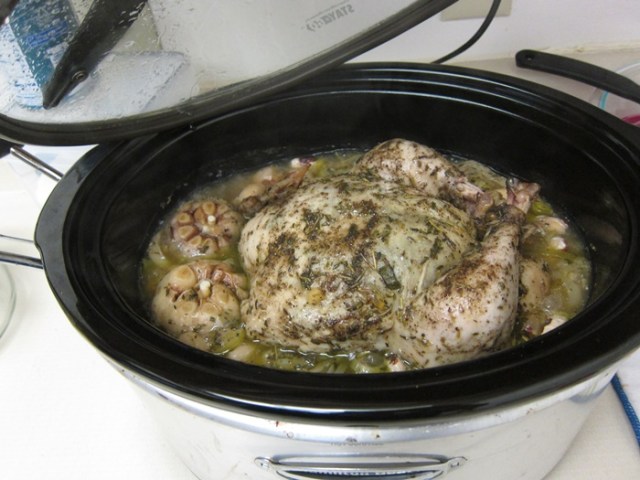 At 4 hours, carefully remove the chicken – it will most likely be fall-apart tender. Stir the drained tomatoes, the vinegar, and as much of the remaining 2 1/2 teaspoons of salt as desired into the liquid with the beans.
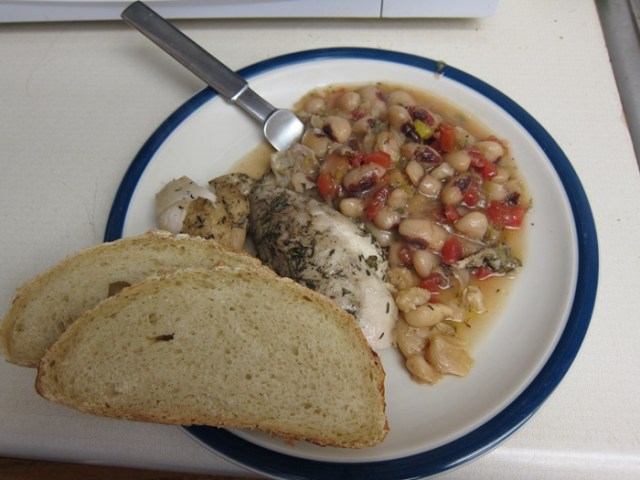
 Serve with crusty bread to soak up some of the liquid, and squeeze some of the garlic cloves out of the heads out on each plate as well.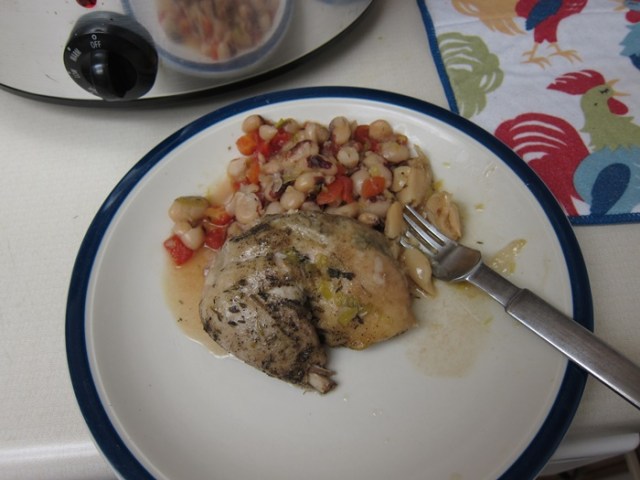
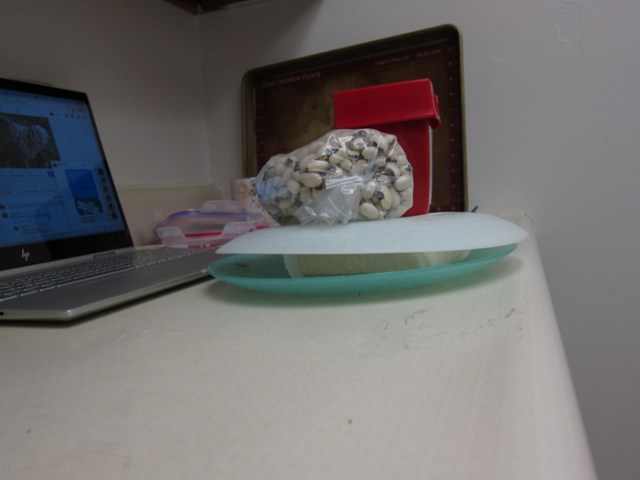 Preheat oven to 400 degrees. Line a baking sheet with a silpat/parchment/foil, and lightly grease before setting aside. In a small bowl, whisk together the olive oil, soy sauce, and honey for the tofu, then set aside.
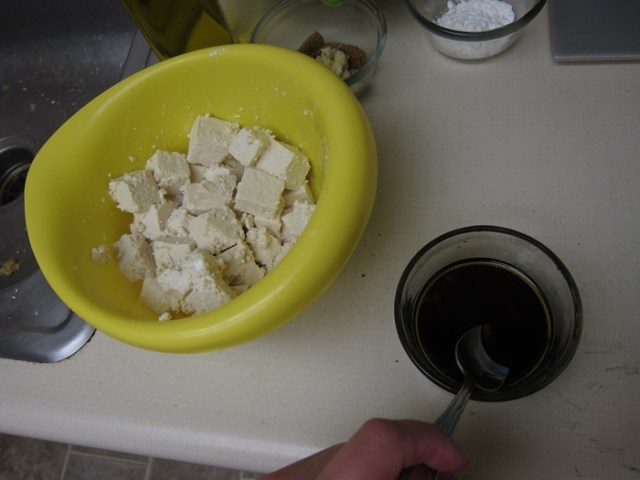 Spread on the other half of the baking sheet. Bake for 30-35 minutes, flipping once halfway through to make sure everything crisps up evenly. The start of the baking time is a good time to get some rice water heating on the stove!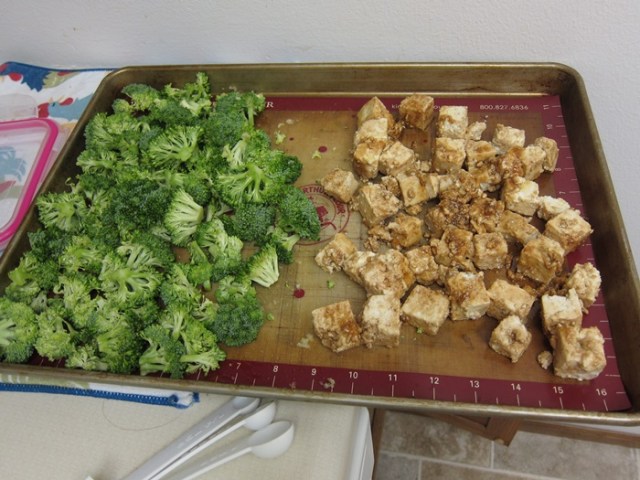

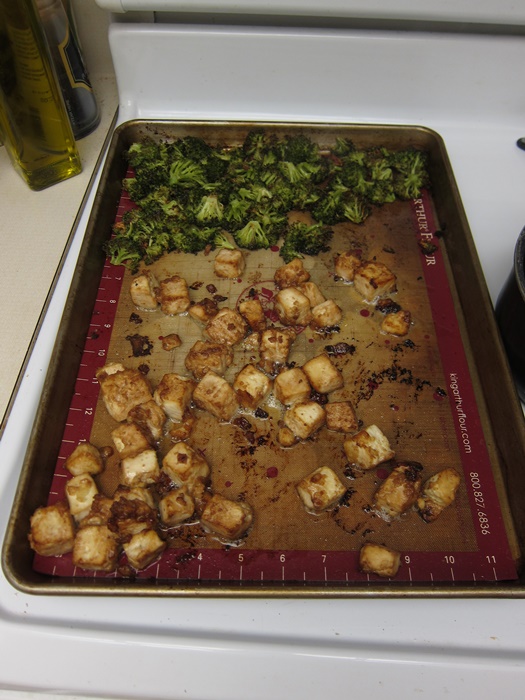 While the tofu and broccoli bake, prepare the sauce. In a medium saucepan, whisk together the soy sauce, sesame oil, water, and vinegar. Place the cornstarch in a small dish and stir in 2-3 tablespoons of the soy/oil/water/vinegar mixture, stirring until no clumps of cornstarch remain.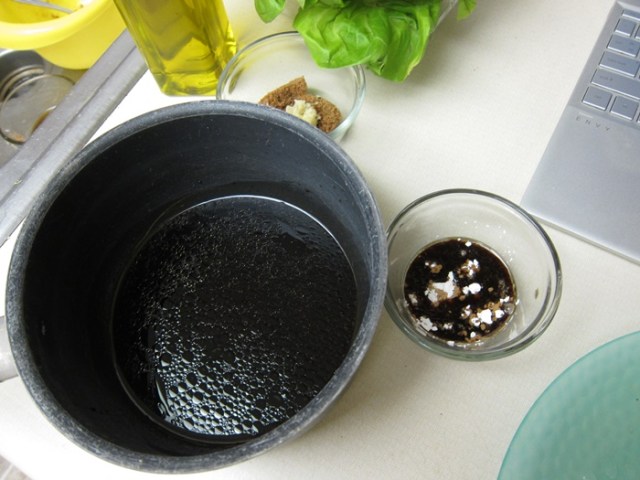
 Pour the cornstarch mixture back into the pot with the rest of the sauce ingredients. Place over medium heat and bring to a boil, stirring frequently, and cook until thickened.
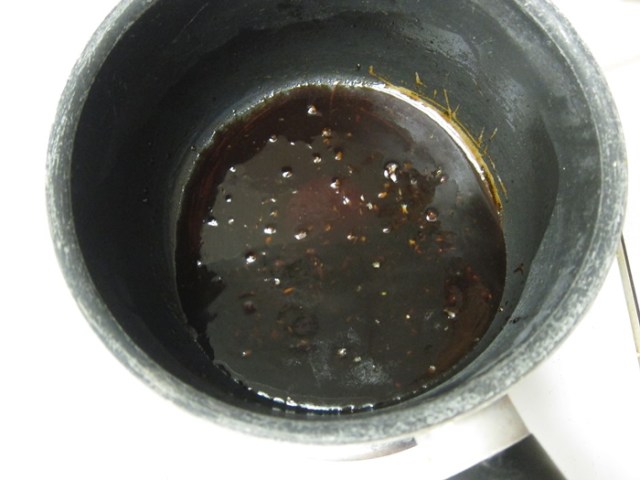 When everything’s ready, serve the tofu and broccoli over rice, drizzled in a bit of the sauce and with the scallions and sesame seeds (if desired) sprinkled on top.


 sparecake